

Omnivore Bids Farewell
Previously, we introduced Omnivore, a self-deployable open-source “read-it-later” system. Recently, Omnivore announced its acquisition by ElevenLabs, leading to the termination of its free hosted services. Users must export their saved data from Omnivore’s servers within the next few weeks. By the end of November, the service will shut down entirely.
As a FOSS (Free and Open Source Software) product, Omnivore’s shutdown shouldn’t be too alarming for those using self-hosted solutions, as the open-source code remains available.
In my previous articles, I’ve always encouraged building self-hosted systems, despite potential hurdles, primarily for data privacy and service sustainability. I even highlighted concerns about the sustainability of Omnivore’s hosted service, saying: “The challenge with being open-source and free is achieving sustainable development.” Now, we have our answer: acquisition and shutdown.

The shutdown has disappointed many international users, who are now actively seeking alternatives for managing their reading lists. Omnivore’s related communities are also reflecting on the implications of this sudden change.
In these discussions, Wallabag has emerged as the top recommended alternative for self-hosted “read-it-later” systems.
Introducing Wallabag

Wallabag is an open-source, self-hosted application designed to save web pages for future reading. It extracts page content and offers apps for smartphones, tablets, and e-readers.
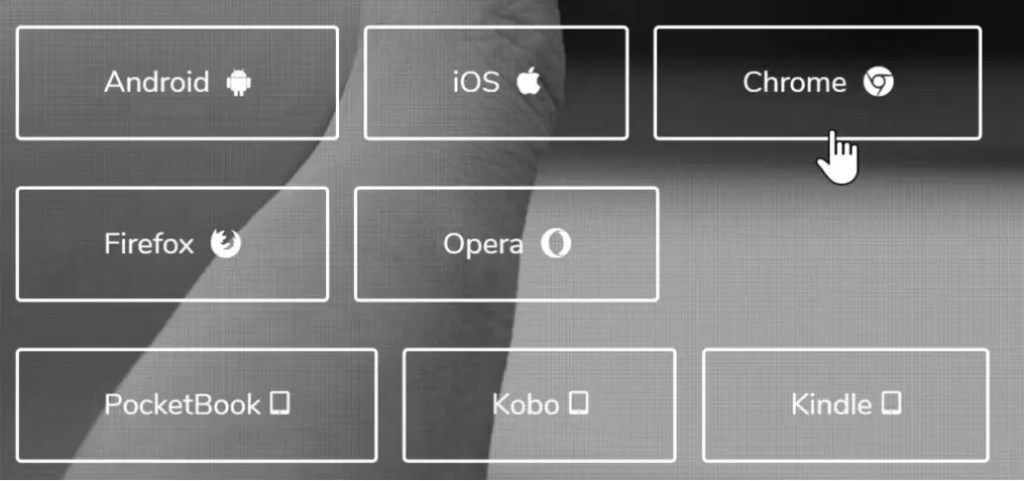
The classic usage involves downloading a Chrome extension or mobile app, allowing you to save articles to Wallabag with one click.
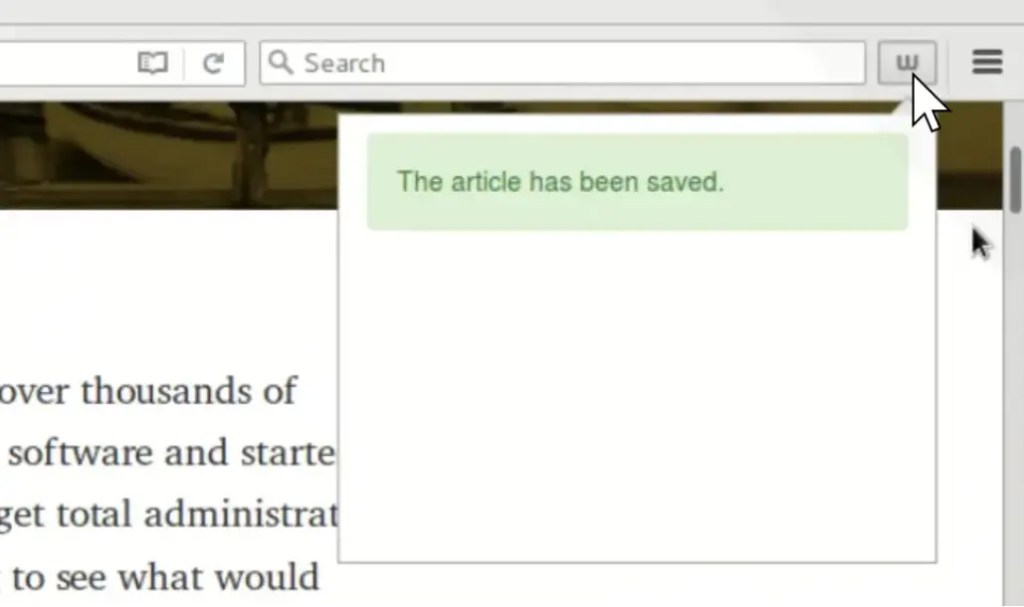
Once saved, you can access your collection across devices. Wallabag supports standard operations like starring, archiving, tagging, and filtering articles. It also features a “Same Domain” view to find other articles from the same website.
Articles are automatically fetched in the background, but users can refresh them to update the content.
Wallabag supports highlighting and annotations, but these can only be viewed within the article, which may not be ideal for everyone.

Overall, Wallabag is practical, though its interface has a nostalgic, early-2000s static web vibe. However, if it works well, functionality can outweigh aesthetics. In my experience, these tools serve as temporary storage rather than permanent archives.
If you opt for self-hosting Wallabag, it’s free. Like Omnivore, Wallabag offers a paid hosted service, around €11/year. Seeing free hosted services shut down might make us wary now.
Conclusion
Wallabag has generally positive reviews (it was recommended when I introduced Omnivore), and I plan to test it, potentially providing a self-deployment guide later.
If self-hosting isn’t your thing, you may consider tools like Pocket or Instapaper. For those less interested in article fetching, lightweight bookmark managers like GoodLink and Raindrop are excellent choices and unlikely to face shutdowns. I might cover bookmark managers in future posts.



 My Own Sys
Leave a comment