
Why This Blog
I once worked at a financial institution that relied heavily on products from a well-established tech giant. From hardware to software, everything was tied to this company, creating a scenario where all data and applications were “locked in.” This made it nearly impossible to switch to other solutions. As our business grew, the processing speed of these systems lagged significantly; sometimes, yesterday’s data wasn’t processed before the start of the next business day!
Despite these issues, no executive dared to change the tech strategy. Migrating away from this setup would be prohibitively expensive, essentially amounting to shutting down the institution—a risk the board wasn’t willing to take. My colleagues and I realized that we were bound to continue paying this tech giant for subpar service. If they ever stopped supporting us or went out of business (unlikely as it seemed), it would be catastrophic.
Now, as an independent consultant and blogger, I’ve seen countless cases where individuals find it challenging to break free from such tech company dependencies.
Techno-Feudalism
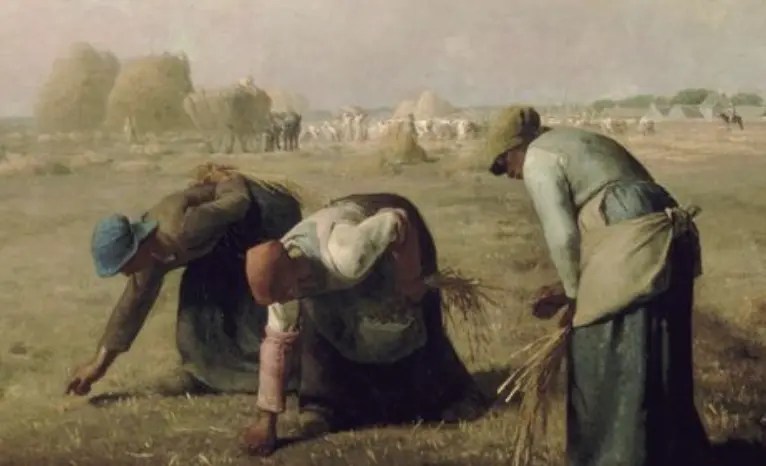
Cédric Durand, a professor at the University of Paris-Diderot, coined the term “techno-feudalism” to describe our predicament. In my view, some of today’s major tech companies resemble feudal lords. We have to pay rent to live in their manors, impacting both work and life. Initially, this was a straightforward transaction—paying for services. However, in the internet age, things have changed dramatically. These feudal lords build high walls to prevent us, the users, from leaving. By locking in our data (or making it difficult to migrate), they bind us to their “land.” Our data becomes one of their assets, used to better analyze and control user behavior.
As this trend continues, we’ll become increasingly reliant on these network services. Just like the financial institution I worked at, these tech companies aim to become irreplaceable “ultimate suppliers.” With data centralization and service monopolization, this is entirely feasible.
The Return of DIY Spirit

It doesn’t have to be this way; we’ve gradually lost our autonomy. Internet services offer immense convenience, leading us to move our notes, personal information, photos, and social data to “the cloud.” But if we think differently from the start and avoid over-reliance on cloud services, we can manage just fine without them. There are many local applications and open-source projects available, as well as personal storage devices and high-performance computing equipment, sufficient for most individuals. What we need is a bit of DIY spirit.
I’m not against fantastic internet services and online applications. I just believe our core data, crucial workflows, and most archivable content should be stored where we have complete control. If an app tries to take away this right, we should be cautious. This control could mean saving on local hard drives or trusted platforms like Google Drive or Dropbox. Online applications should be additional options, not the sole ones.
To change this, we must act ourselves. Feudal lords prefer us to be more dependent, not more independent. So, it’s up to us. Consider Henry David Thoreau at Walden Pond; while we don’t need to go to such extremes, we must take action to achieve digital independence in this era.
Introducing MyOwnSys
This is why MyOwnSys was born—a philosophy of “independent & autonomous” digital living. MyOwnSys helps you regain control over your digital life, advocating for digital autonomy. Here are some key elements we promote:
- Local-First: We encourage local-first software design, ensuring your data is primarily stored on your device, reducing cloud dependency, and improving data access speed and reliability.
- Self-Hosting: Learn to set up and manage your own servers and applications. This not only protects your privacy but also offers more choices.
- Personalized Productivity Tools: Discover and optimize tools that suit you, creating a personalized work environment and maintaining full control over your tools.
- Data Privacy Protection: Learn how to protect personal data and avoid information leaks, enjoying digital convenience without sacrificing privacy.
- Workflow Optimization and Digital Ecosystem: Design and implement personal workflows that make your daily tasks smoother and more efficient. By integrating various tools and services, create your own digital ecosystem for true digital autonomy.
For more info: Explore our content categories
Start your journey towards digital independence. Join the MyOwnSys community, subscribe to our blog, and help us spread the word about “digital autonomy.” Together, let’s explore, learn, and grow, building a freer, safer, and more efficient digital environment!



 My Own Sys
Leave a reply to Everyone Should Have a Free and Open Source Markdown Editor Handy (with 5 Recommendations) – My Own Sys Cancel reply